
15 Sep Why “Dental Hygienist Near Me” Searches Have Spiked and What It Means for Your Gum Health
Searches for a dental hygienist in and around Islington have risen sharply over the past year, and the most likely explanation isn’t a sudden gum health crisis — it’s growing awareness that hygiene appointments are a separate, essential part of dental care that many people have been skipping, particularly since NHS access has become harder to come by. If you’ve noticed the same search yourself, here’s what a hygienist visit actually does for you, and why now is a good time to book one.
What’s actually behind the spike
A few things tend to drive a sudden rise in local hygienist searches like this:
- NHS access pressure. When people can’t get an NHS check-up, routine hygiene care is often the first thing that lapses — and once people notice the gap, they start searching for a private alternative.
- Greater public awareness of gum health. Gum disease is increasingly discussed in relation to general health, not just dental health, which tends to prompt people to search for preventive care rather than wait for a problem.
- Word of mouth and social content. Hygiene appointments — visible, satisfying results like plaque removal — travel well on social media, which can drive local search interest quickly.
Why a hygienist visit is different from a check-up
It’s a common misconception that a hygienist appointment is just a more thorough clean tacked onto your check-up. In practice, the two serve different purposes:
- A check-up is where your dentist examines your teeth, gums, and mouth for signs of decay, disease, or other issues, and decides whether any treatment is needed.
- A hygienist appointment is focused specifically on removing plaque, stains caused by coffee, wine, smoking etc, and tartar buildup; including below the gumline, where a toothbrush can’t reach, and on preventing gum disease before it starts.
Skipping hygiene visits doesn’t just mean a less sparkly smile. Plaque left to build up below the gumline is one of the main causes of gum disease, which left untreated can eventually affect the bone supporting your teeth.
What happens at a hygienist appointment
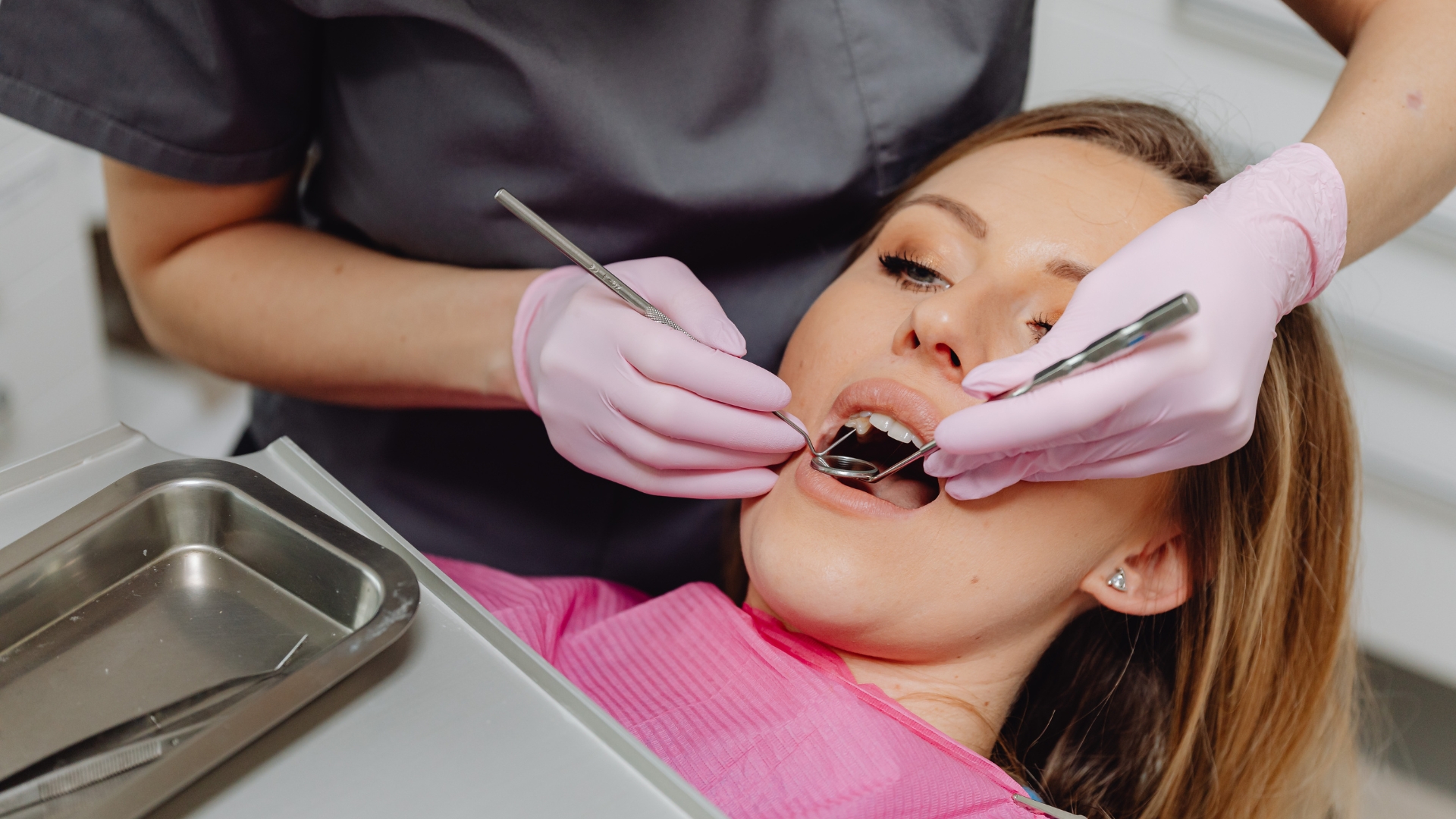
A typical visit with our specialist hygienist, Naila, includes:
- A review of your gum health, checking for early signs of inflammation or gum disease
- Removal of plaque and tartar, including below the gumline (scaling)
- Polishing to remove surface staining
- Personalised advice on your brushing and flossing technique, tailored to problem areas we can see but you might not
What this means for you
If it’s been a while since your last hygiene appointment — whether because of NHS access issues or simply because it fell off your radar — the search spike is a useful nudge, not a coincidence. Gum disease is largely preventable with regular hygiene care, and catching early signs is far easier (and cheaper) than treating it once it’s progressed.
The bottom line
The rise in local hygienist searches reflects a real, practical gap for a lot of people — not a new problem, but a re-discovered one. Regular hygiene visits are one of the most effective, lowest-effort ways to protect your gum health long-term, and booking one is a simple way to close that gap before it becomes something more serious.
Frequently asked questions
What does a dental hygienist actually do?
A dental hygienist focuses specifically on removing plaque and tartar buildup, including below the gumline, and on preventing gum disease — distinct from a dentist’s role of examining and treating your teeth and gums.
Is a hygienist appointment the same as a check-up?
No. A check-up is an examination by your dentist to assess your overall dental health. A hygienist appointment is a separate, focused cleaning session aimed at preventing gum disease.
Can I book a hygienist appointment without seeing a dentist first?
Yes you can but we recommend seeing a dentist first to check for any underlying dental issues a hygienist can’t diagnose.