

Bridging those gaps at Open Dental
When a tooth is missing or needs to be removed it can be replaced by using a dental bridge. A bridge is a permanent replacement for the missing tooth, that is, once in place it is not removable for cleansing but has to be made cleansible and designed with gum health in mind.
Dental bridges are designed by your dentist and then constructed in the dental laboratory by our skilled dental technician. Once constructed your dentist will cement the bridge into place at a further appointment.

Dental Bridges
Bridges can be several different designs but generally we will use one of two types.
The first is a fixed bridge which is used when there are teeth either side of the gap that are already crowned. Our dental technician then constructs a framework which is then covered in porcelain for aesthetics and shaped to look like three separate teeth. The bridge is then cemented into place at a further appointment.
The second type of bridge we tend to use is a “sticky” or Maryland bridge. This is an example of Minimum Invasive Dentistry where we limit the amount of tooth that is removed for the restoration. This is far preferable when we have teeth either side of the gap that have not had any previous work carried out on them or perhaps smaller restorations.
Speak to a member of the Open Dental team on 020 7112 5353 for more information about Dental Bridges
be open to a new you…
Dental Bridges · Fixed Tooth Replacement
Natural-looking
dental bridges
A dental bridge is a permanent, fixed solution for a missing tooth — anchored to the neighbouring teeth on each side, with no removal required. Natural-looking, durable, and completed at our Islington clinic.
Fixed
Permanently cemented
Ceramic
Natural-looking material
0%
Finance available

What is a Dental Bridge?A permanent replacement
A permanent replacement
that stays fixed in place.
A dental bridge is a fixed prosthesis that replaces one or more missing teeth. Unlike a denture, it is permanently cemented and does not come out — it looks, feels and functions like a natural tooth.
The bridge is anchored to the healthy teeth on either side of the gap. These neighbouring teeth — called abutment teeth — are gently shaped to accept crowns, which support the false tooth (or pontic) spanning the gap between them.
Book a Consultation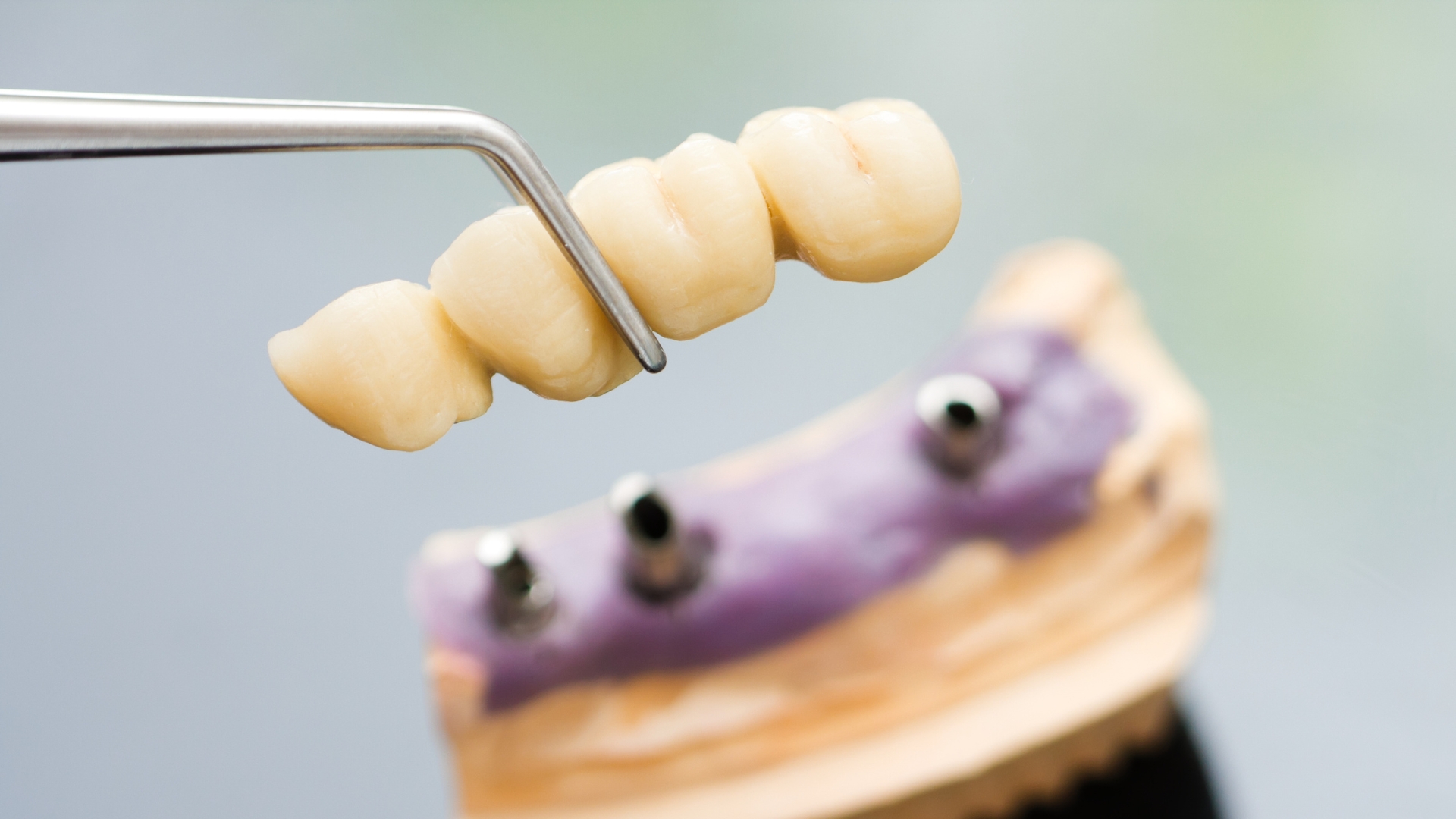
Fixed solution
No removal.
No adhesive.
No adhesive.